From Vulnerability Detection to SRP Reporting: How Yuanxi SCA Supports the EU CRA Reporting Workflow
After a routine scan, a critical alert appeared in the findings list: CVE-2021-39144, an XStream remote code execution (RCE) vulnerability.
This is not test data. Many enterprise codebases do contain the affected version of XStream, and the vulnerability has been exploited in real-world attacks.
This article follows the vulnerability from its details page all the way through to the submission of a report via ENISA’s Single Reporting Platform (SRP). The screenshots are taken from hands-on use of Yuanxi SCA and a private simulation sandbox.
1. The Vulnerability Details Page: Understanding EPSS and CVSS
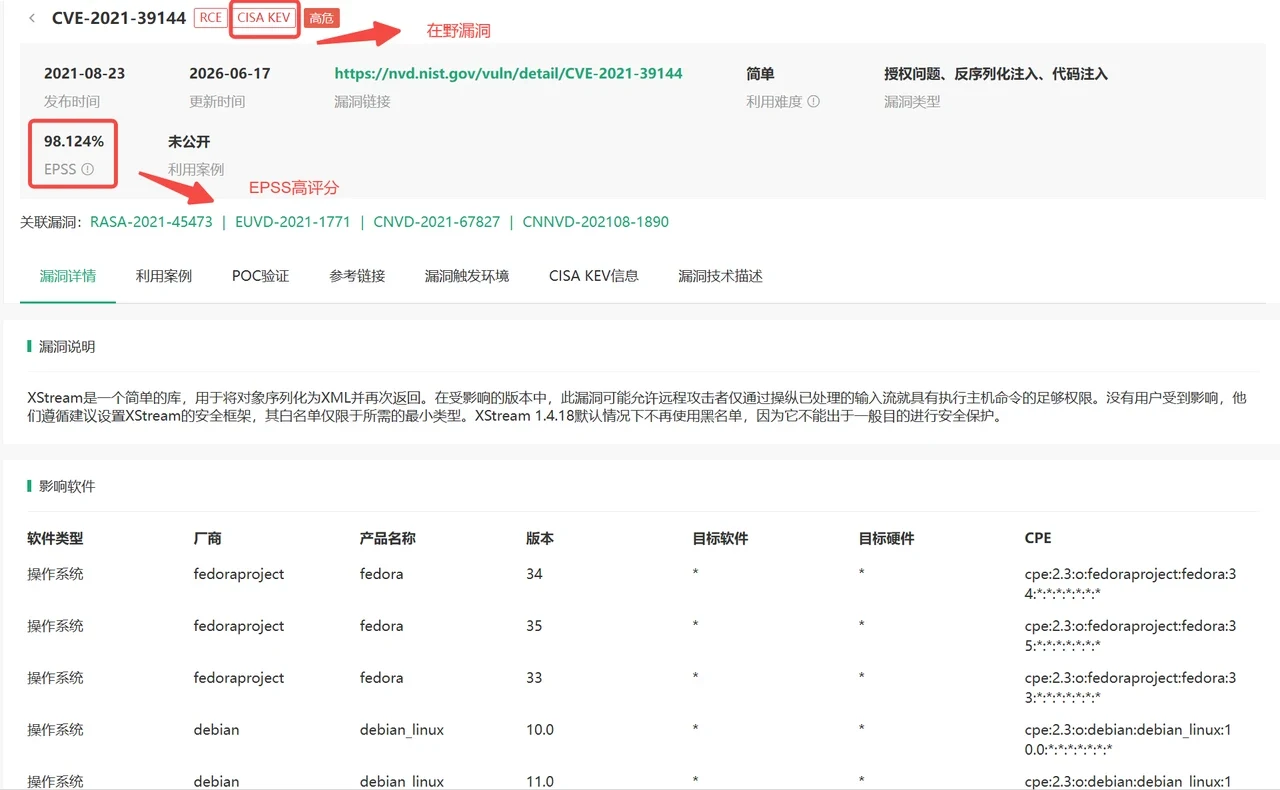
When you open the alert, you will see several indicators at the top of the details page, including two important scores.
EPSS (Exploit Prediction Scoring System) estimates the probability that a vulnerability will be exploited in the wild. In other words, it helps answer a practical question: How likely is this vulnerability to be exploited in real-world environments?
Yuanxi combines intelligence from multiple sources to assess exploitation risk. The XStream vulnerability has a high EPSS score, indicating a significant likelihood of exploitation in the wild.
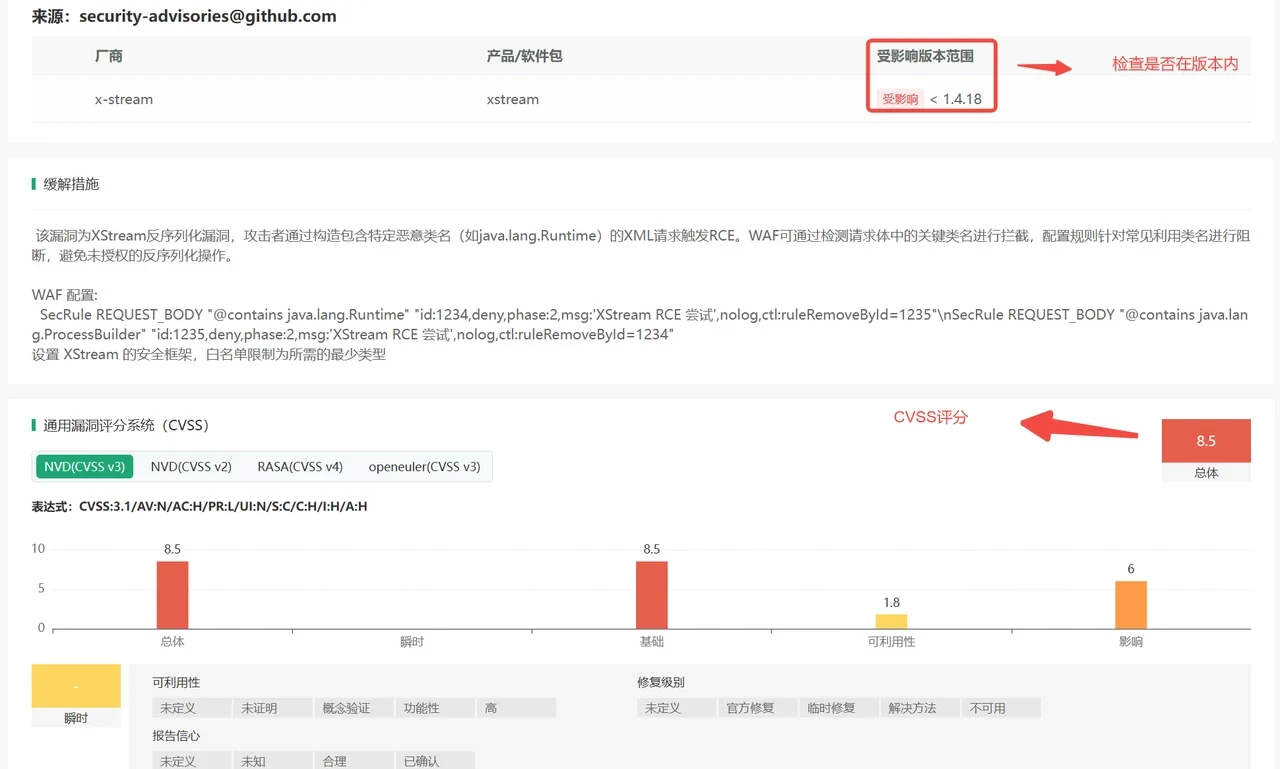
CVSS 8.8 measures the severity of the vulnerability and the potential impact if it is successfully exploited. The XStream deserialization vulnerability is particularly serious because successful exploitation can allow an attacker to execute arbitrary code, potentially compromising the server.
The vulnerability is also listed in CISA’s Known Exploited Vulnerabilities (KEV) Catalog, which provides evidence of exploitation in the wild.
Taken together, these indicators point to a vulnerability that warrants urgent attention and may enable remote code execution.
Under Article 14 of the EU Cyber Resilience Act (CRA), this type of finding may require assessment against the definition of an actively exploited vulnerability (AEV). Where the reporting obligation applies, the 24-hour early-warning deadline starts when the manufacturer becomes aware of the actively exploited vulnerability.
2. AI Vulnerability Assistant: Ask Questions Directly About the Critical Finding
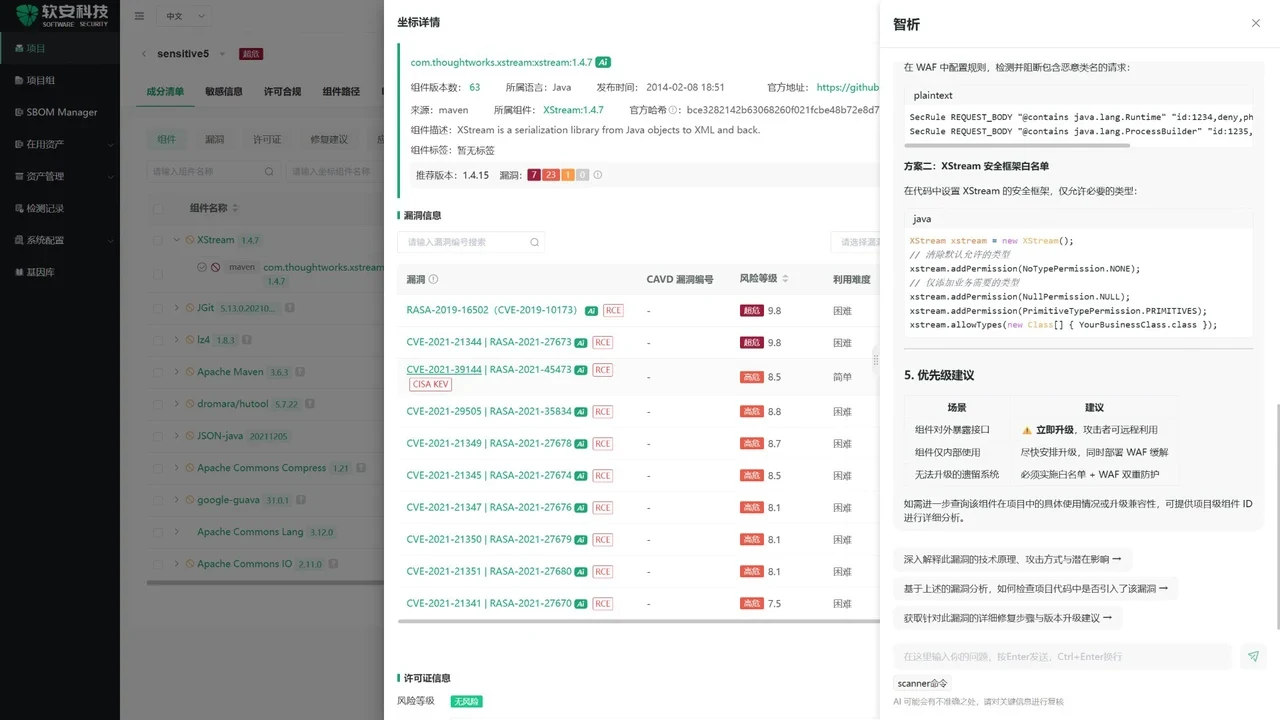
Yuanxi includes a built-in AI Vulnerability Assistant. You can ask questions directly about a critical finding, and the assistant uses vulnerability intelligence and project context to generate an analysis covering the vulnerability mechanism, affected scope, exploitation conditions and recommended upgrade version.
This saves engineers from having to consult five or six separate intelligence sources before they can begin preparing a report.
The assessment process is also traceable. The conclusions generated by the AI assistant can be used to populate the preliminary assessment section of the 72-hour notification, reducing the need to rewrite the same technical findings in a separate document.
3. Remediation Guidance: A Clear List of Affected Components and Target Versions
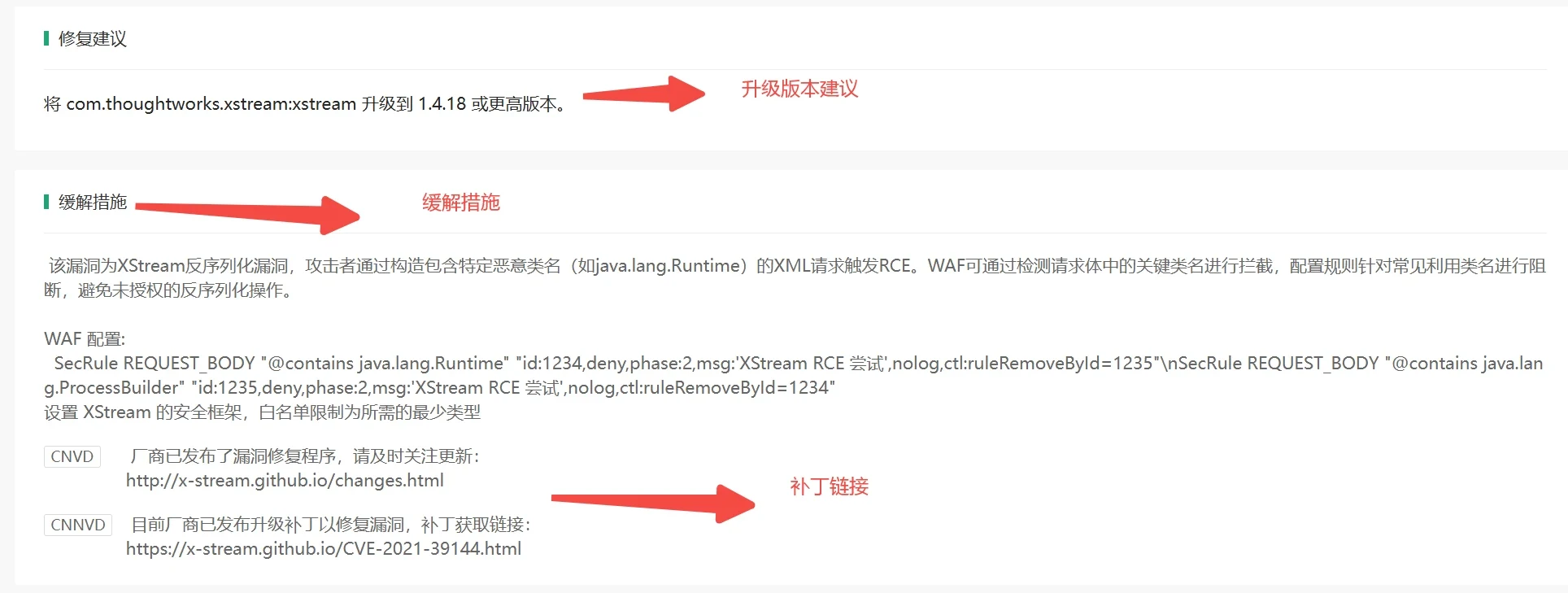
Once the vulnerability has been assessed, the next step is remediation.
The remediation page lists the affected components, their current versions and the target versions required for remediation. Engineering teams can use this information directly to identify which dependencies need to be updated and plan the changes into their development cycles.
Under the CRA reporting process, the 72-hour notification requires information about the measures taken or planned to address the vulnerability.
The remediation details can be used to populate the mitigation measures field (v22). The report should reflect the actual status of remediation, including measures already implemented and those still planned.
4. Completing the SRP Form: 39 Fields Across Three Reporting Stages
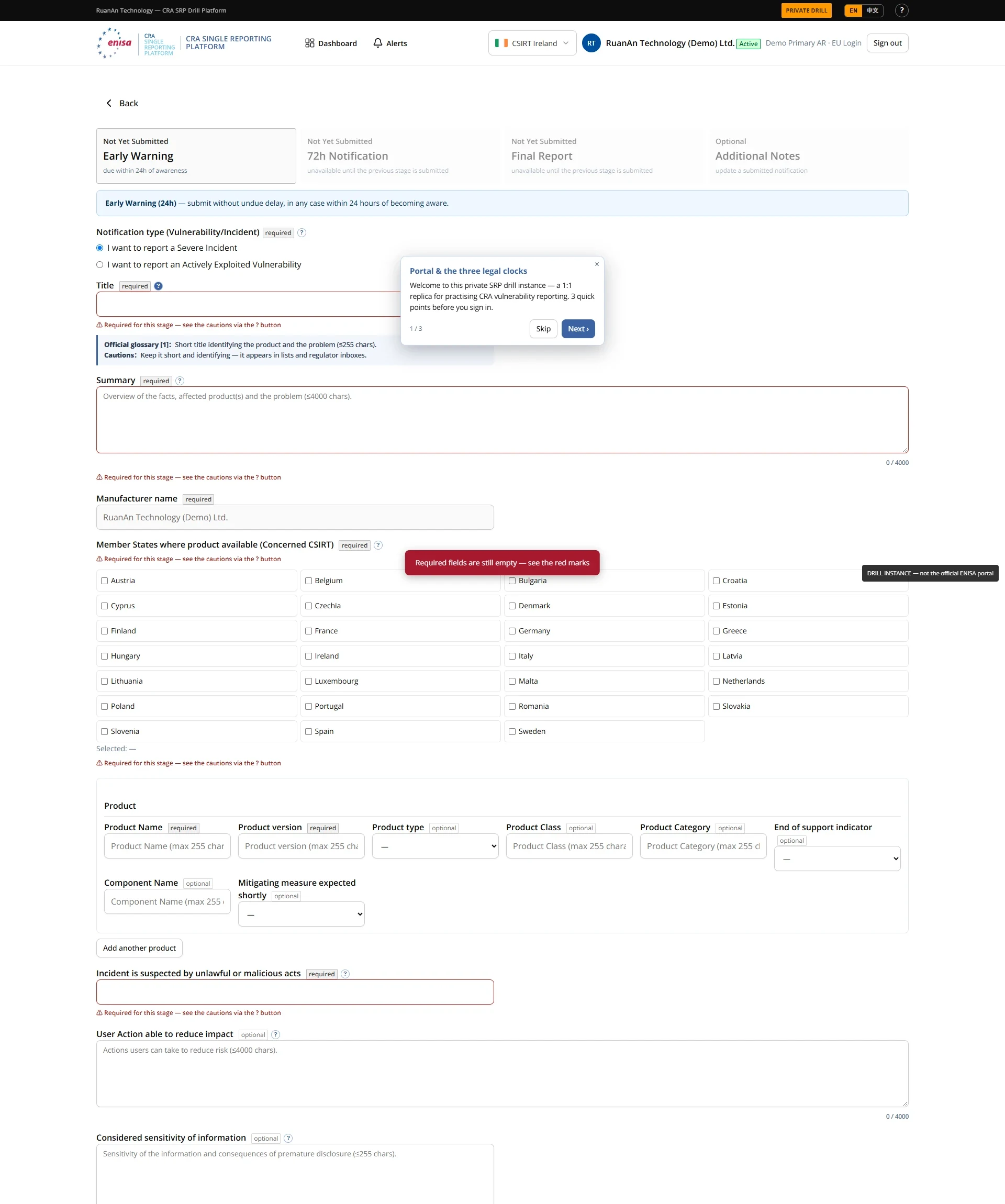
Once a vulnerability has been assessed as a suspected AEV, the CRA reporting process involves three stages:
- Within 24 hours of becoming aware: Submit an early warning.
- Within 72 hours: Submit a notification containing an initial assessment and information about the measures taken or planned.
- Within 14 days of the availability of a mitigation or corrective measure: Submit a final report.
The SRP form contains 39 fields, with mandatory and optional fields identified for each reporting stage.
We mapped the form fields against the information available on the vulnerability details page and found that the key data points could be traced back to their original sources:
- Vulnerability identifier (v25): The CVE identifier.
- Severity (v26): The CVSS score.
- Exploitation status (v27): Assessment informed by EPSS and the KEV Catalog.
- Affected products and components (Nr5/6): The relevant XStream entry and version in the SBOM.
- Mitigation measures (v22): The remediation plan and its implementation status.
This mapping helps ensure that the technical evidence in the scan results remains consistent with the information submitted in the regulatory report.
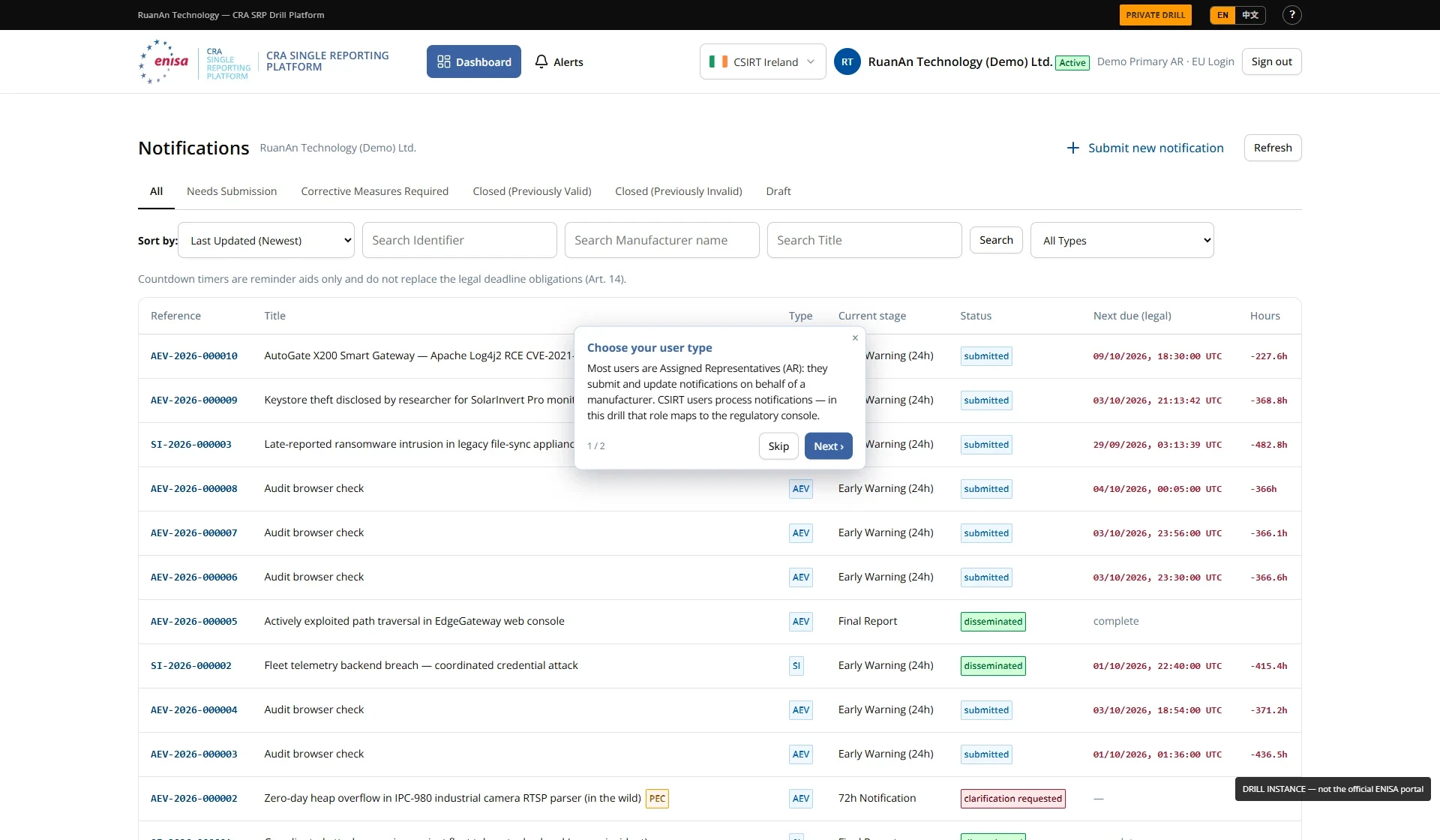
5. Scan Results Must Be Ready to Serve as Compliance Evidence
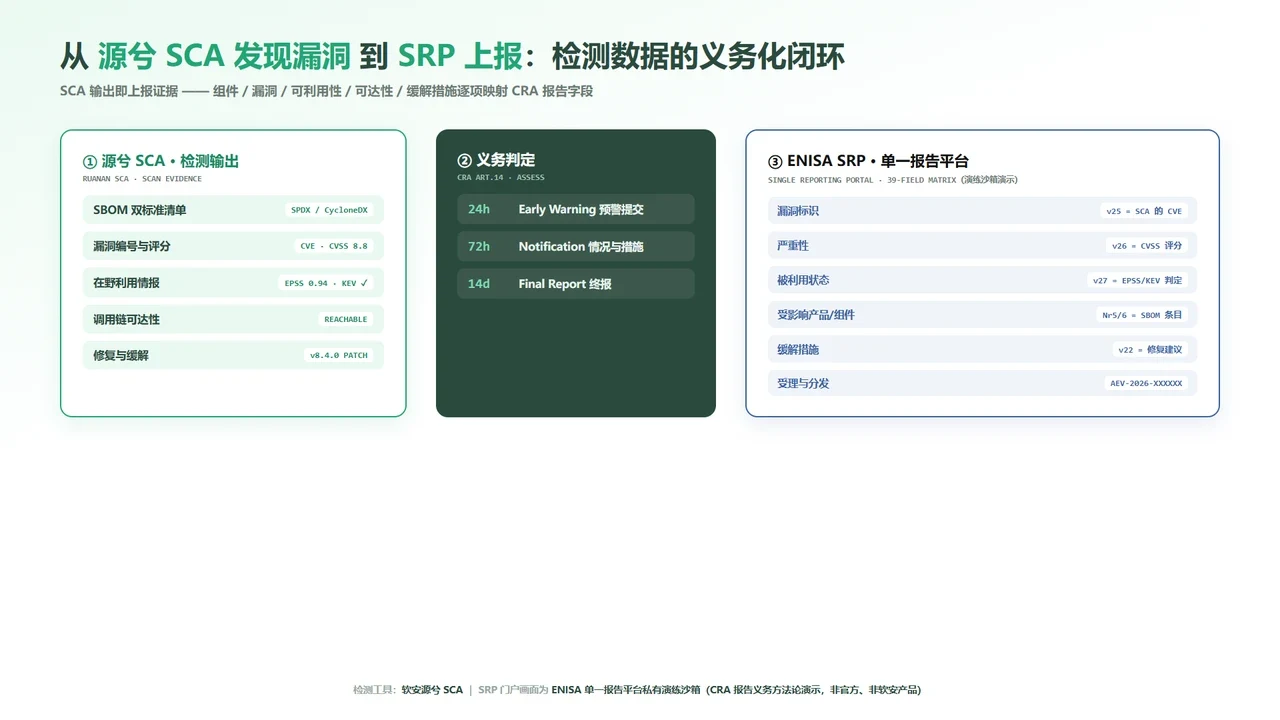
Looking at the complete workflow, the quality of the underlying detection data is one of the biggest factors affecting reporting efficiency.
Accurate component and version identification is essential. Otherwise, the assessment of the affected scope may be incorrect.
Exploitation intelligence needs to draw on multiple sources. In addition to EPSS and the KEV Catalog, sources such as CNVD and CNNVD can provide further vulnerability intelligence. Missing relevant intelligence can delay an assessment.
Reachability and exploitation conditions also matter. Without this context, a KEV match may trigger unnecessary escalation, potentially causing teams to treat every match as an AEV and repeatedly activate a 24-hour response workflow. These factors should be assessed alongside the available evidence rather than inferred from a single indicator.
SBOMs should be exportable in both SPDX and CycloneDX formats. These can then be attached to a report as supporting evidence of the affected components and versions.
Yuanxi SCA is designed around these requirements. Each finding, including an XStream RCE vulnerability like the one discussed here, should provide the traceable technical evidence needed to support a compliance report.
A scan report that contains only a CVE identifier is not enough to populate all 39 fields in the reporting form. Effective reporting requires component-level evidence, vulnerability intelligence, impact assessment and remediation details that can be traced back to their sources.
Watch the Full Walkthrough
We have turned the complete workflow into a demonstration video, covering the EPSS and CVSS indicators on the vulnerability details page, AI-assisted assessment, remediation guidance and submission through the SRP form.
Please note: The SRP interface shown in the video comes from a private simulation sandbox, not the official ENISA environment. The demonstration is intended to illustrate the reporting workflow and associated obligations, rather than to represent an actual submission to ENISA.