Insights

24 articles

[2026 World Artificial Intelligence Conference & High-Level Meeting on Global Governance of Artificial Intelligence] Group photo
AI & Agent Security

Securing the AI software supply chain: from asset inventories to agent permissions

Securing the AI software supply chain involves first putting code dependencies, models, data, frameworks, tools, and intelligent agent interfaces into a single asset view. Subsequently, these assets are connected to access control, permission management, testing, change management, and incident response processes. While having a list without operational controls still does not answer what agents can call, where data will go, or whether changes require revalidation.

Read article
When Does the CRA Vulnerability Reporting Obligation Apply? What Response Records Do Enterprises Need to Prepare?
Regulation & Compliance

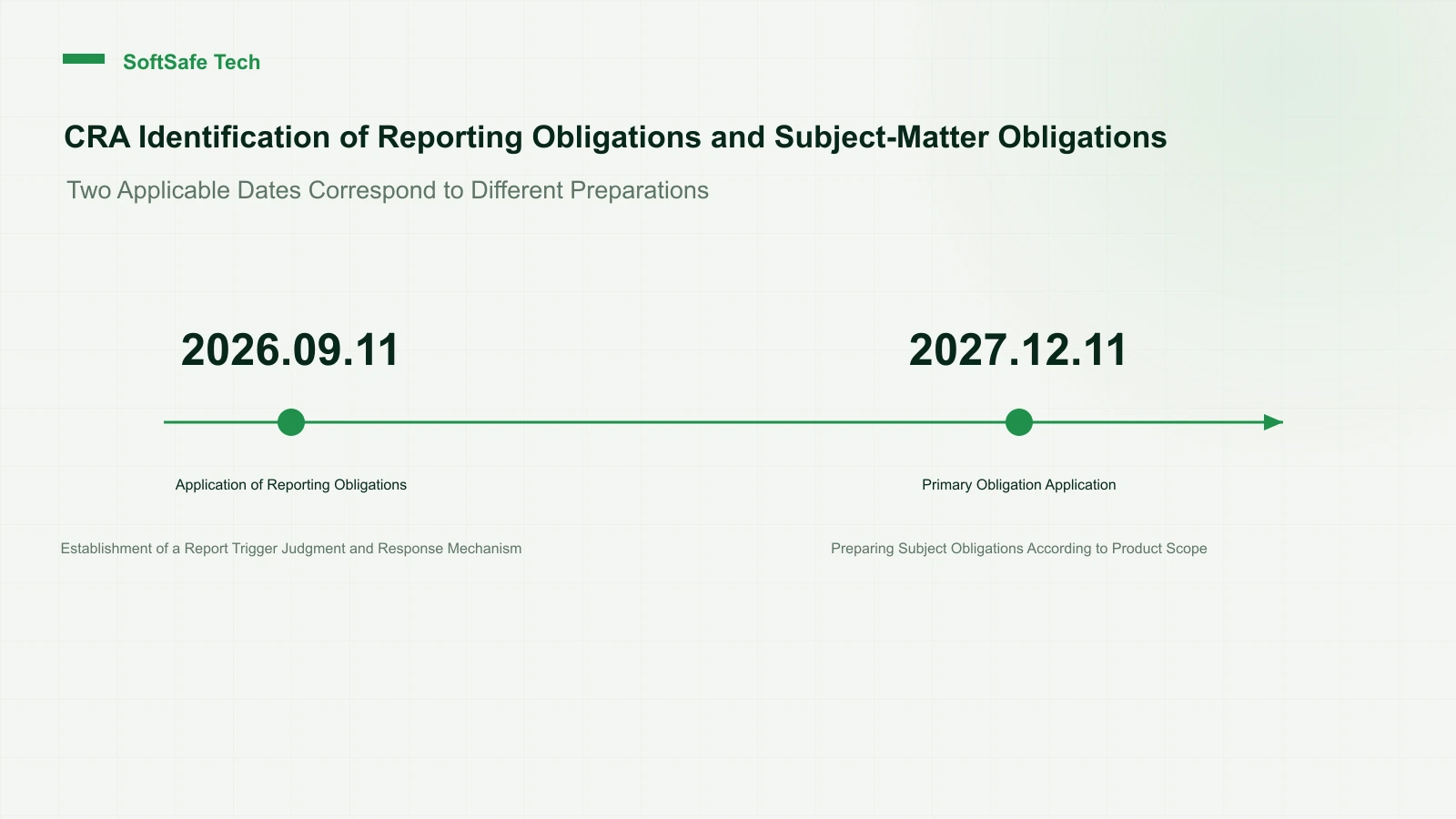
When do CRA vulnerability reporting obligations apply?

CRA vulnerability reporting obligations apply as of September 11, 2026 for reporting obligations and December 11, 2027 for the subject obligation. Enterprises should first determine if their products fall under the regulatory scope and then establish a reporting mechanism; they cannot simply apply the same compliance checklist to all software within a product. For automotive and medical devices, among other products, specific regulations and exclusion criteria must also be verified. [European Commission Official Introduction](https://digital-strategy.ec.europa.eu/en/policies/cyber-resilience-act).

Read article
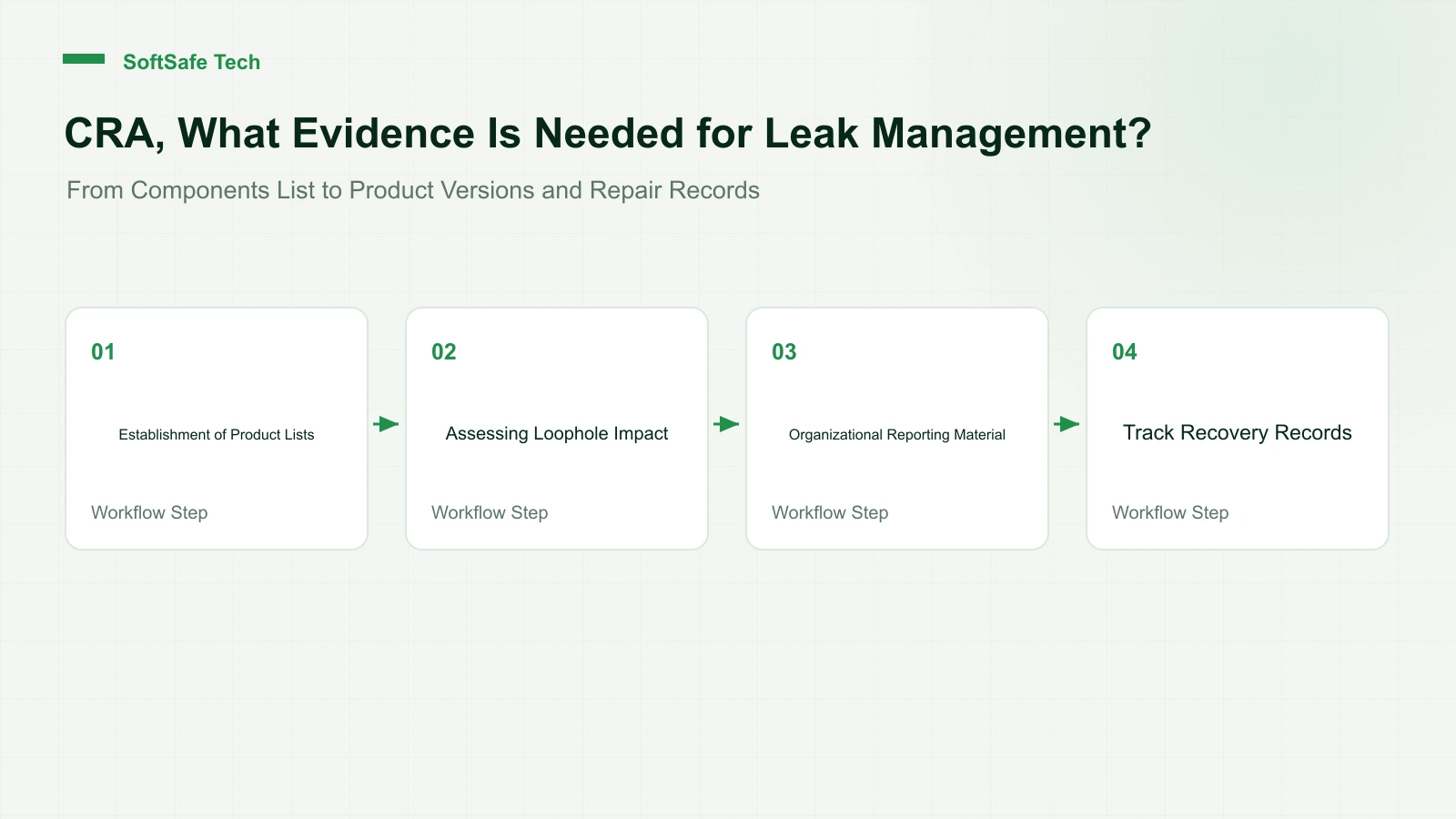
How to Implement CRA Vulnerability Management: From Component Lists to Traceable Repair Evidence
Regulation & Compliance

CRA vulnerability management: from component inventories to traceable remediation evidence

For CRA readiness, development teams need an evidence chain that stays current with each product release: what was used, what was found, who assessed it, how it was remediated and whether the fix worked. Applicability and the conformity-assessment route still depend on the product. This article focuses on organising the engineering evidence; reporting dates and triggers are covered in [CRA vulnerability reporting obligations](/en/resources/articles/cra-vulnerability-reporting-readiness).

Read article
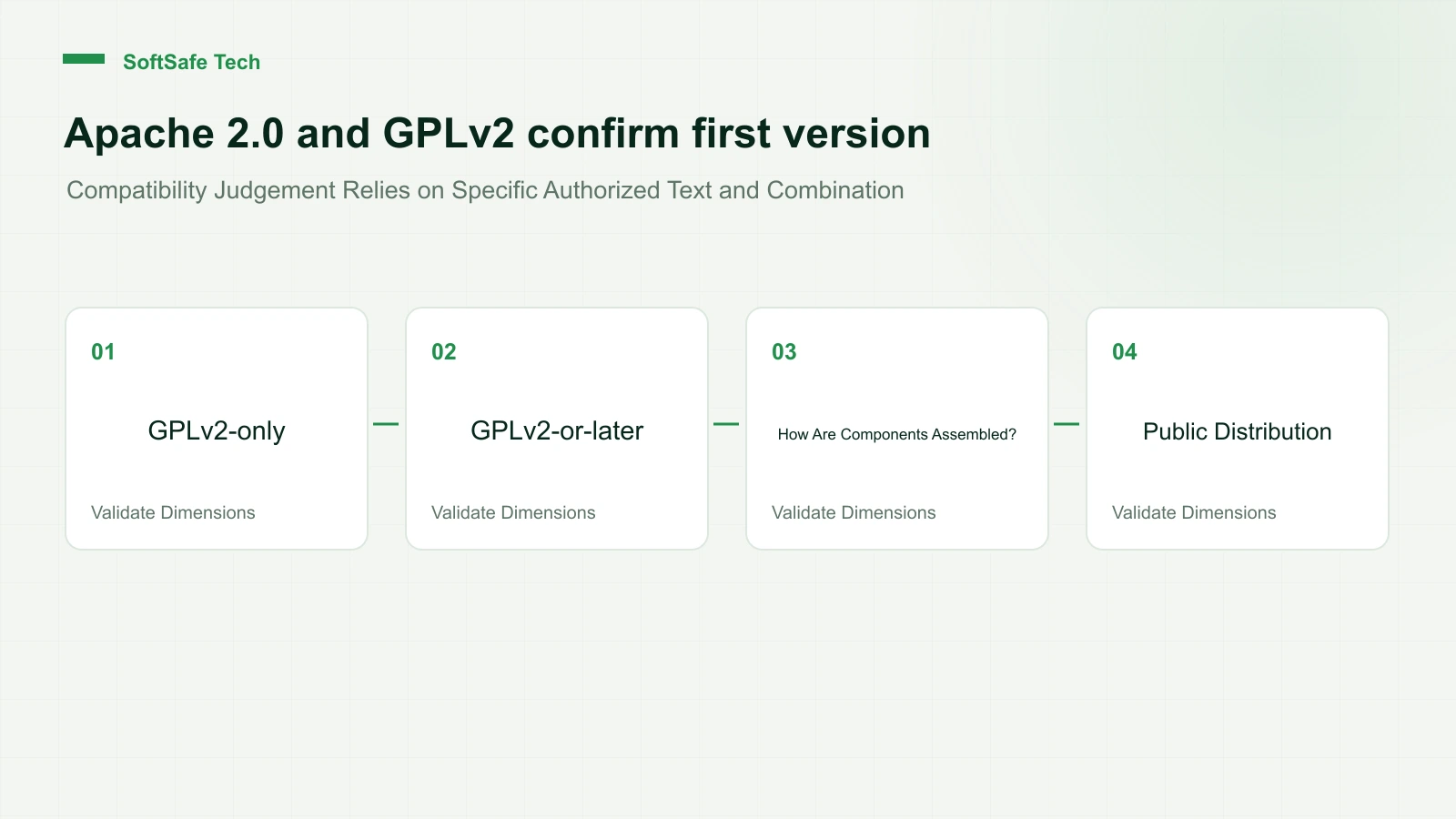
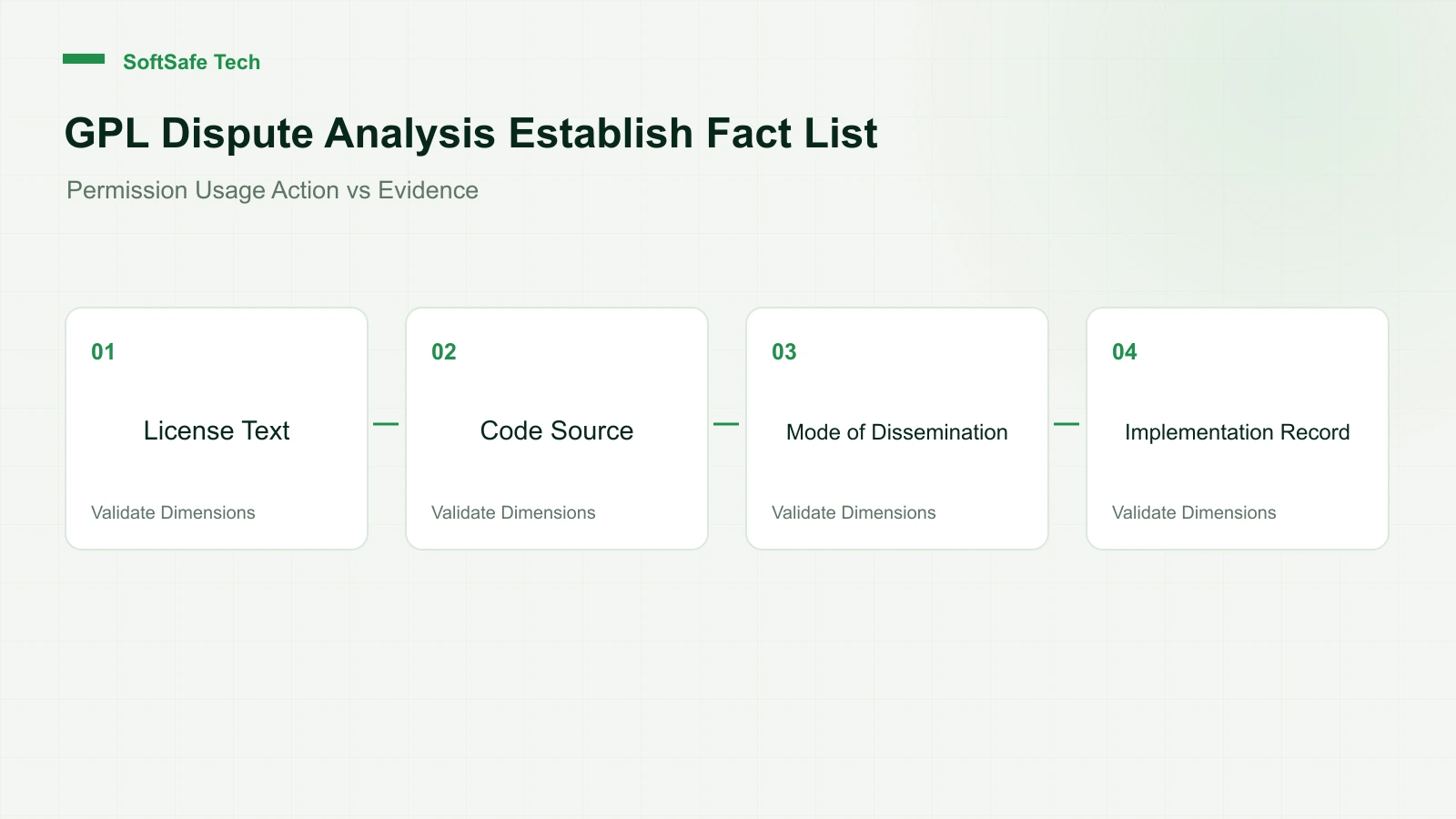
Apache 2.0 Project Discovers GPLv2 Component: Confirm Version First, Then Judge Composition and Distribution
Open Source Governance & Licensing

A GPLv2 component in an Apache 2.0 project: check the version before assessing distribution

When adopting an Apache 2.0-licensed project, it was discovered that there were GPLv2 components within the project. The first step should be to revert to the specific license and project relationships by changing the top-level LICENSE file from Apache 2.0 to something else. Simply renaming the top-level LICENSE file to use Apache 2.0 does not alter the existing licensing conditions of third-party code.

Read article
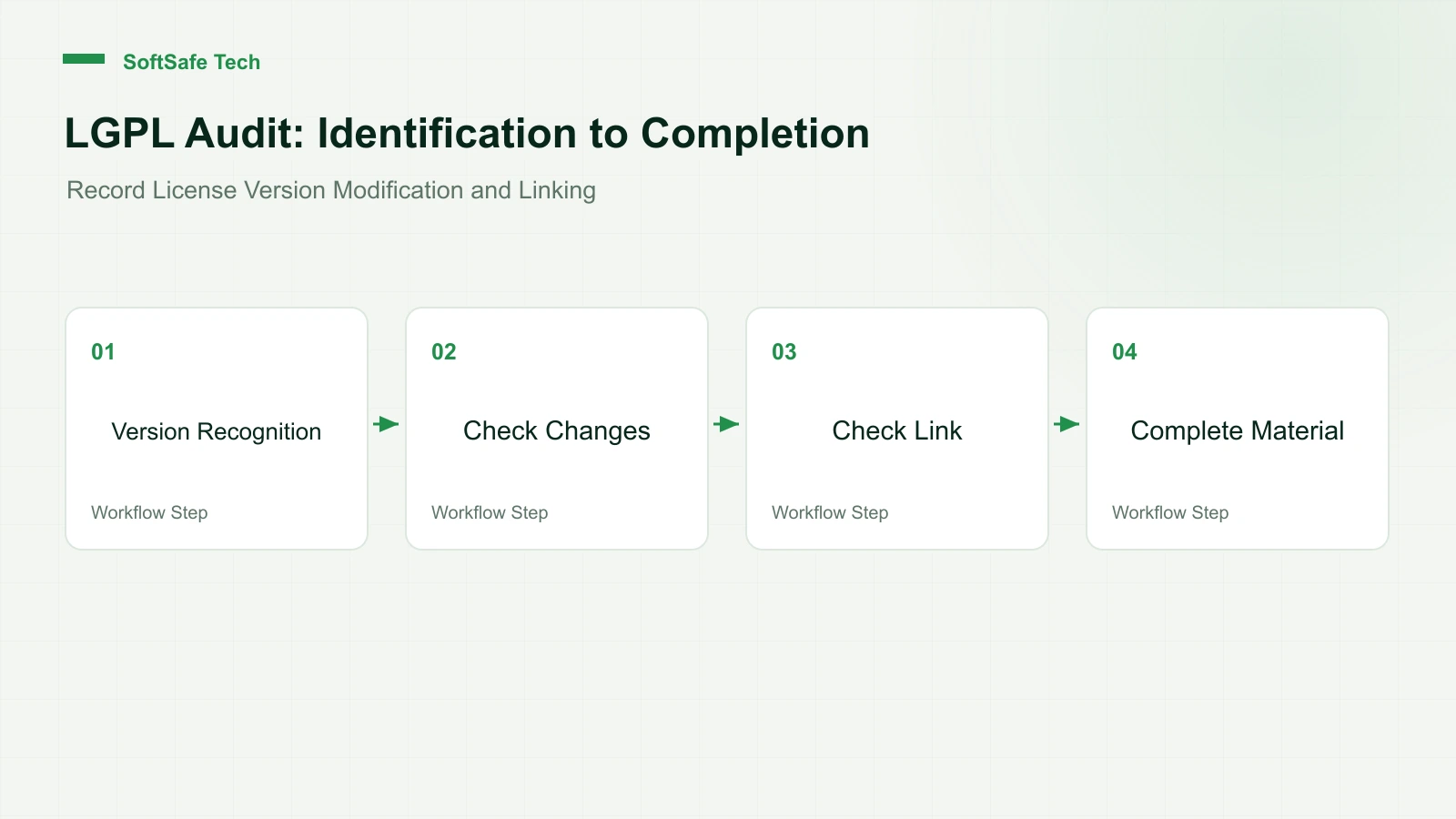
LGPL Components Pose Risks: How to Verify Linking Methods, Source Code, and Dependency Obligations?
Open Source Governance & Licensing

An LGPL component is flagged in an audit: how to review linking, source and dependency obligations

An LGPL component is flagged in an audit: how to review linking, source and dependency obligations For audits flagging LGPL components, it's crucial to first examine the specific version, usage method, and delivery materials. Taking LGPL 2.1 as an example, dynamic linking does not automatically relieve licensing obligations, nor can static linking be directly inferred to require public disclosure of all proprietary source code.

Read article