
AutoSoft Dialogue examines new risks from AI-assisted automotive software development
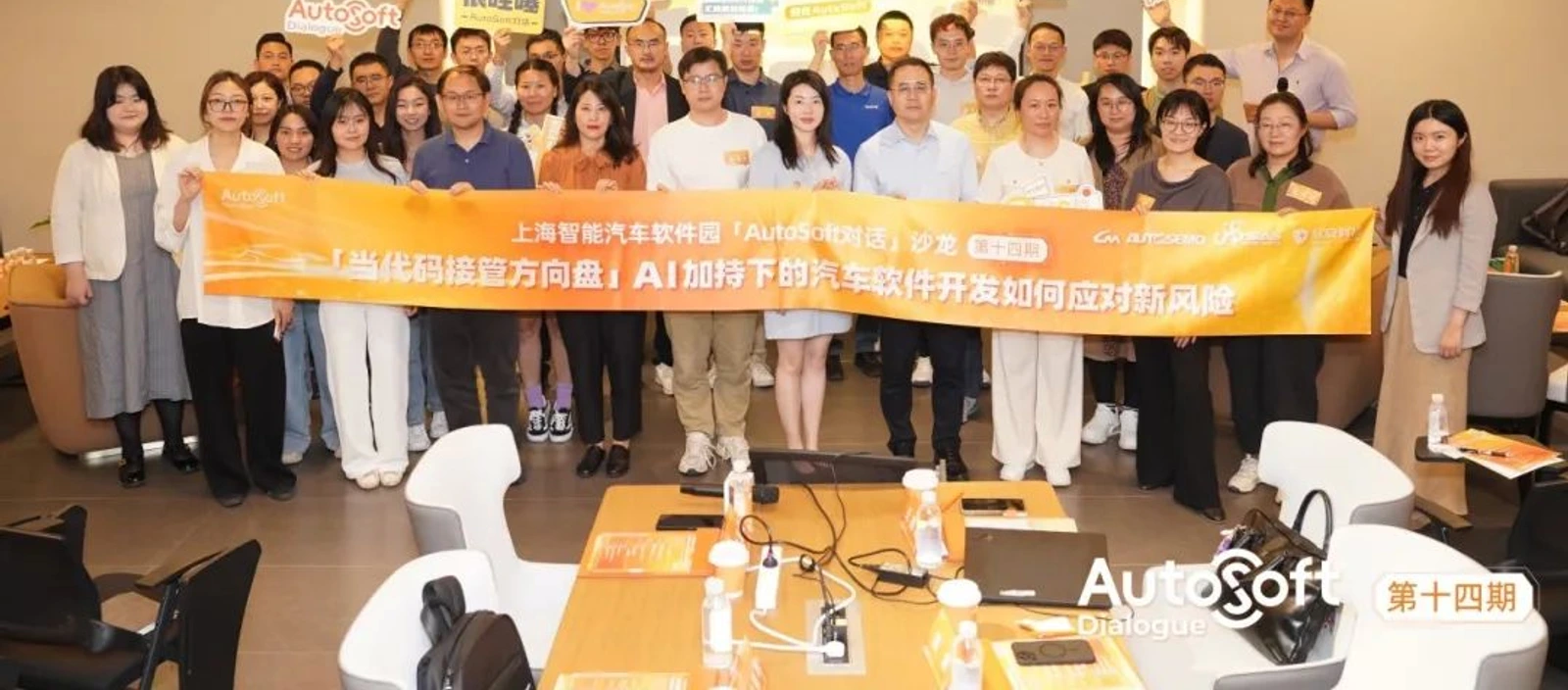
SoftSafe Tech, in collaboration with the China Automobile Industry Association, AUTOSEMO, Shanghai Intelligent Automotive Software Park, and SoftSafe Tech, hosted the fourteenth
The event brought together representatives from vehicle manufacturers, component suppliers, automotive software companies, research and testing organisations, certification bodies and universities. Participating organisations included CATARC, SAIC Motor Inspection Center, the Shanghai Advanced Research Institute of the Chinese Academy of Sciences, Tsinghua University’s School of Public Policy and Management, SAIC Volkswagen, Dongfeng Motor, NIO, Zeekr, AVATR, smart, Schaeffler, Yanfeng, MathWorks and other industry organisations.
From development methods to system architecture
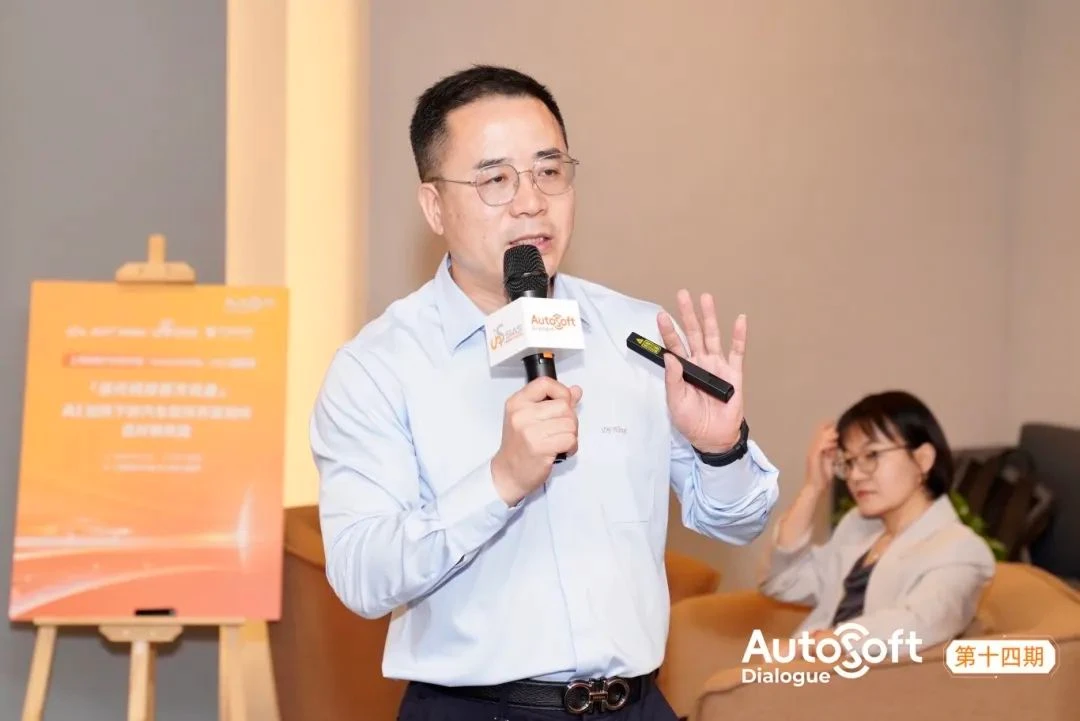
Dr. Ning Dejun from the Shanghai High Institute of Technology discussed how large language models have transformed automotive software development practices, emphasizing the need for enhanced creativity in AI usage and collaborative efforts between academia, industry, and research institutions to deploy multi-modal large models in real-world engineering scenarios.
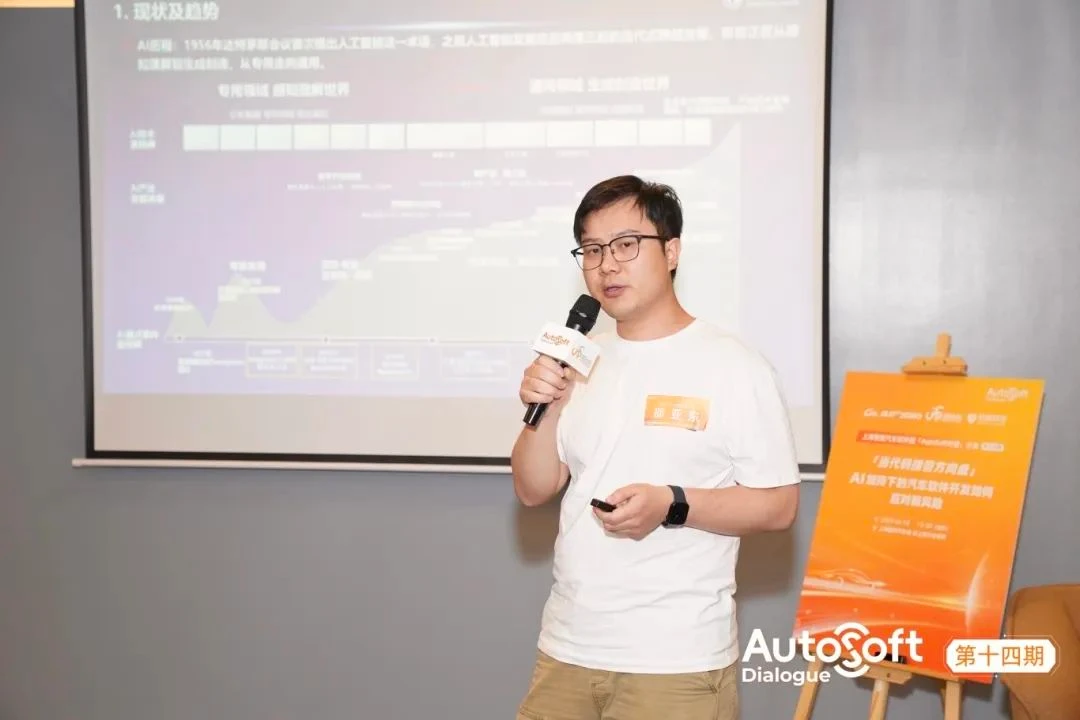
Dr. Shao Yadong from Dongfeng Motor Corporation's Autonomous Driving Research Center presented on innovative thinking in AI-driven intelligent connected vehicles, detailing the evolution of automotive architectures towards a unified perception-cognition-action model and providing practical applications for scenarios involving people, cars, and daily life.
Security lifecycle and test validation
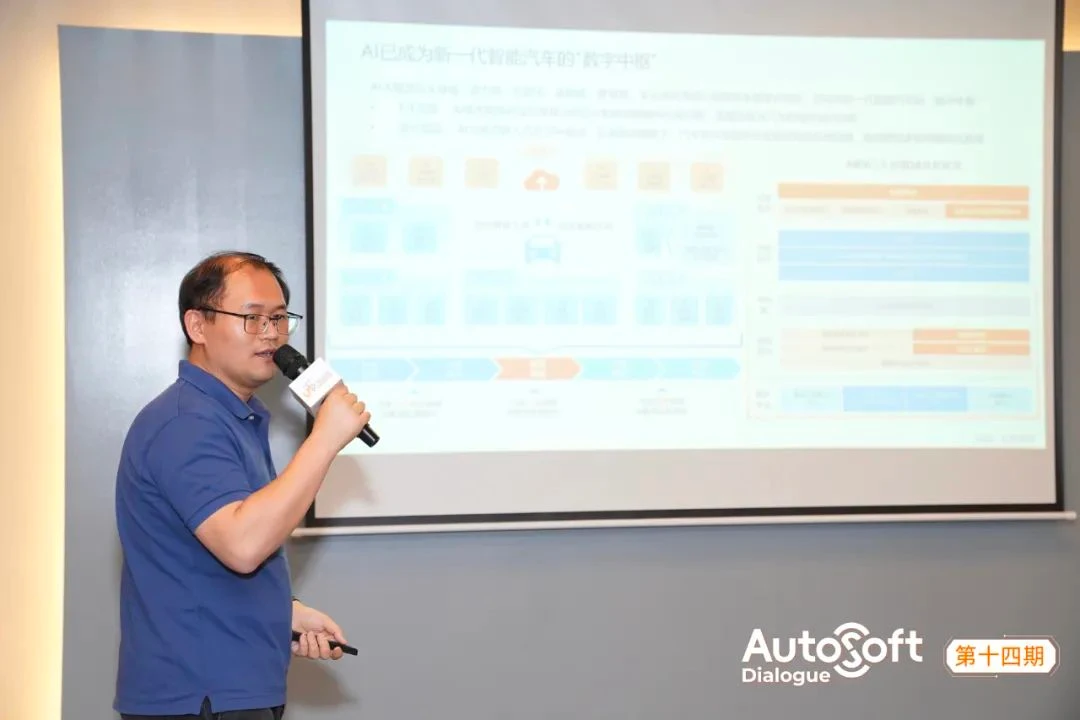
In his presentation titled 'How to Strengthen Automotive Software Security in the Age of AI Large Models,' CTO Zhu Hui, co-founder of SoftSafe Tech, proposed that safety activities should be integrated into model training, software development, integration verification, and actual operation stages. Tools, standards, and regulation need to be interconnected to ensure risk detection and resolution are part of the automotive software lifecycle.
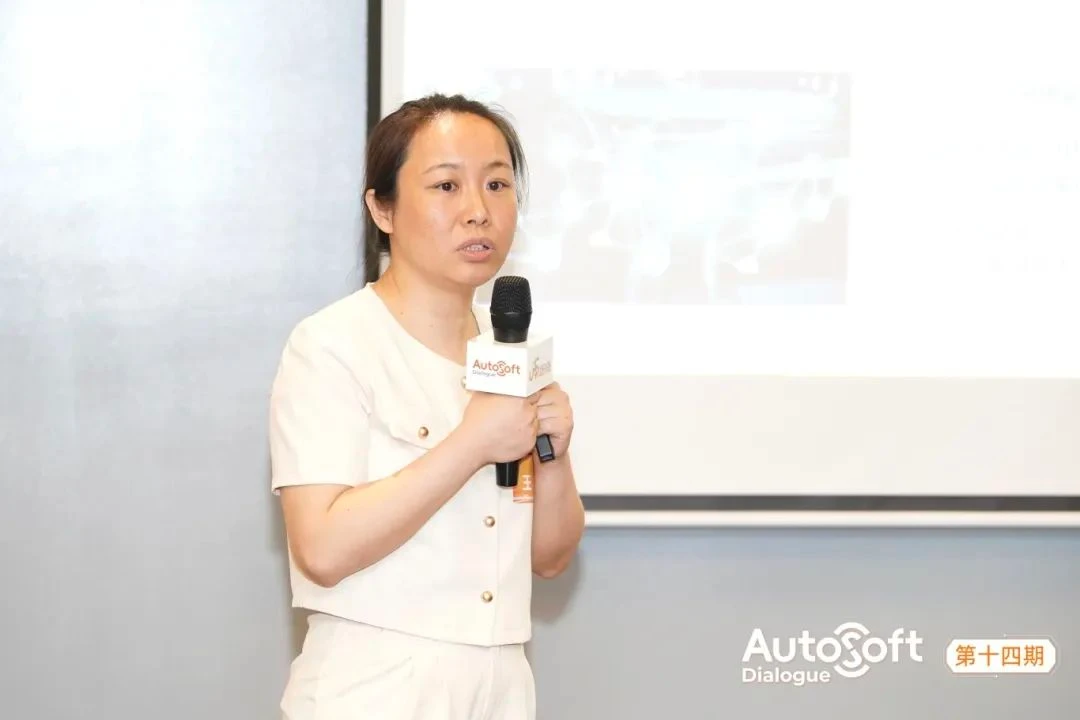
Ms. Wang Xiao Yi, Head of Software Laboratory at SAIC Inspection, discussed AI's impact on the industry in terms of standard formulation and testing engineering practices. She suggested that relying solely on existing procedures is insufficient to cover the diverse risks within AI-driven software; instead, she proposed combining standard scenario libraries, state machine modeling, and trigger condition analysis to establish a test system that can be integrated into the development process.
Discussion around three questions
Following the keynote presentation, attendees from various perspectives—enterprise R&D, testing validation, and industry governance—engaged in group discussions around these three questions:
- How is AI reshaping the way automotive research and collaboration occur?
- What specific changes will AI bring to the development of automotive low-level software?
- What new software risks does AI introduce, and how should they be validated and governed?
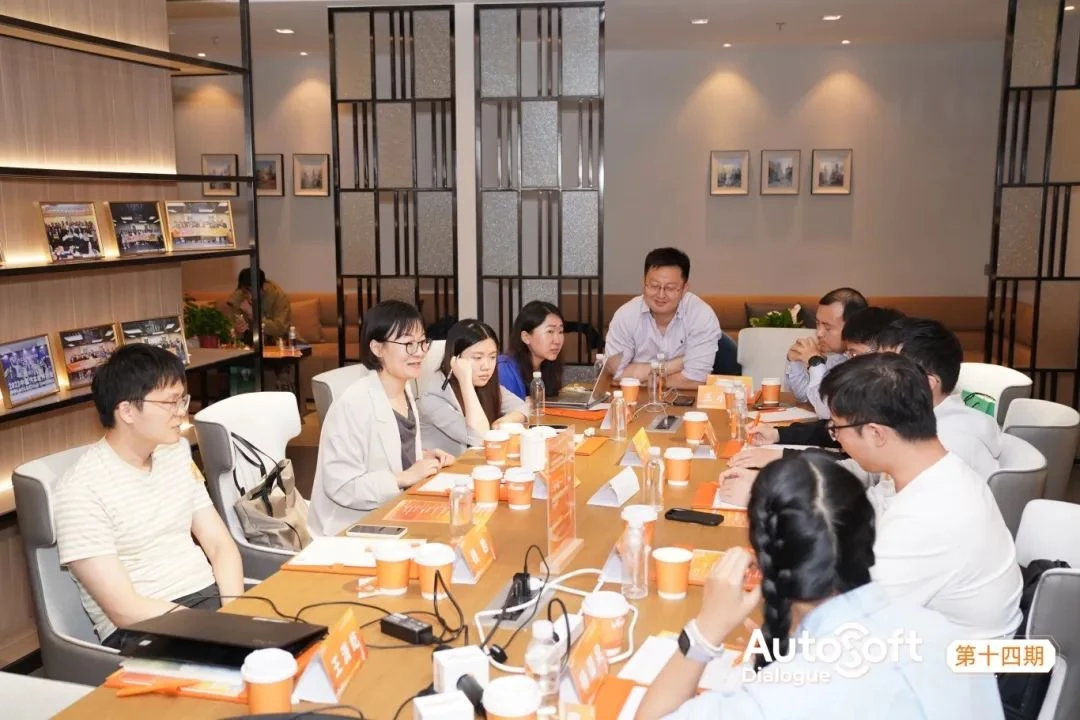
The discussion concluded that AI is altering the boundaries, processes, and responsibility divisions in automotive software development. Industry stakeholders need to concurrently build safety boundaries, controllable mechanisms, and validation systems, with all parties—automakers, suppliers, testing institutions, and research organizations—working together to establish a sustainable engineering loop between innovation and security requirements.