
Can model similarity prove copying? The limits of provenance evidence in the DeepSeek debate
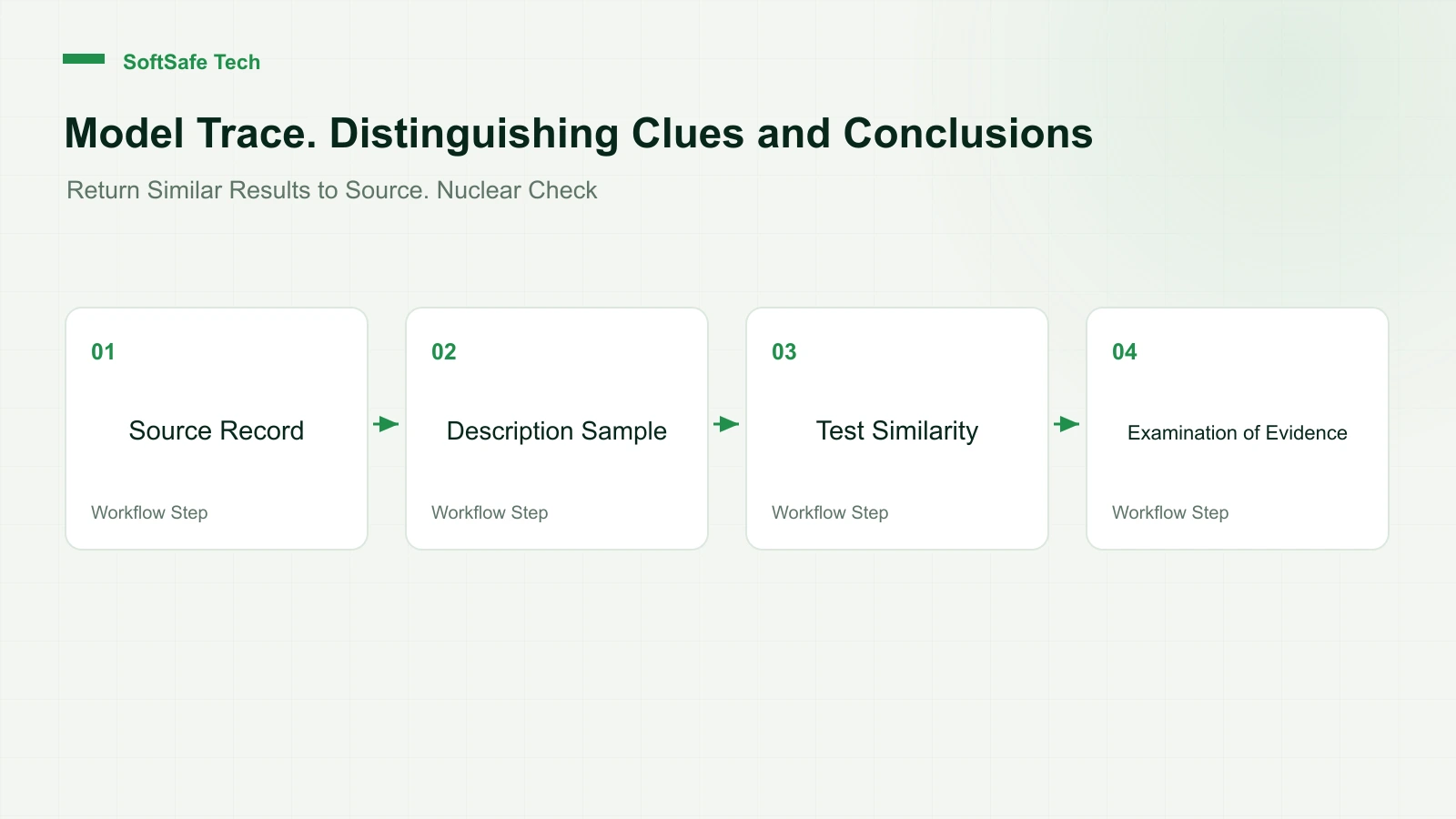
Model similarity can assist in identifying sources but cannot independently prove plagiarism or the absence of copying. Technical comparisons address which aspects are similar or close; however, sufficient authorization and compliance with conditions require a combination of source information, licenses, and actual behavior.
First define which models are being compared
Model family names cannot replace precise artifacts. DeepSeek-V3, DeepSeek-R1, and R1-Distill series refer to different entities. Official documentation from DeepSeek-R1 indicates that some distillation models are based on Qwen and Llama, with model details and licensing information provided. DeepSeek-R1 Official Repository
Therefore, 'based on other models' cannot be equated to 'illegitimate copying.' Upstream relationships should be accurately recorded and reviewed for compliance conditions; similarly, one family's explanation cannot substitute for another model version.
What can three kinds of similarity evidence show?
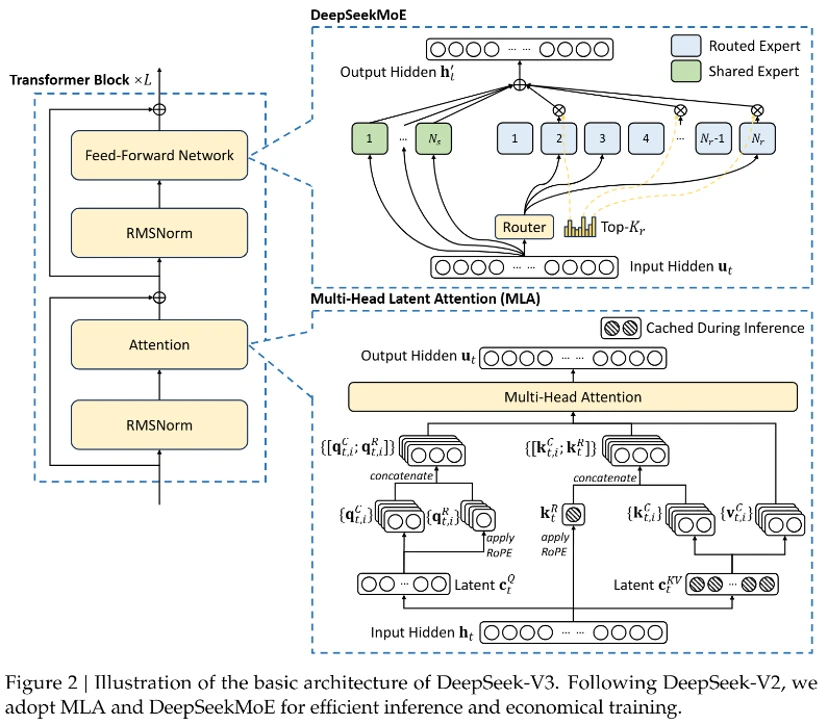
Similar architecture and configuration suggests the models may have been designed together or share a common lineage, but popular architectures can be used by multiple teams. Structural differences do not rule out relationships at the data, code, or output level.
Similar vocabulary and parameter naming narrows the investigation scope, but shared tokenizers, compatible formats, or conversion tools can also produce similar results. Specific objects being compared must be clearly stated.
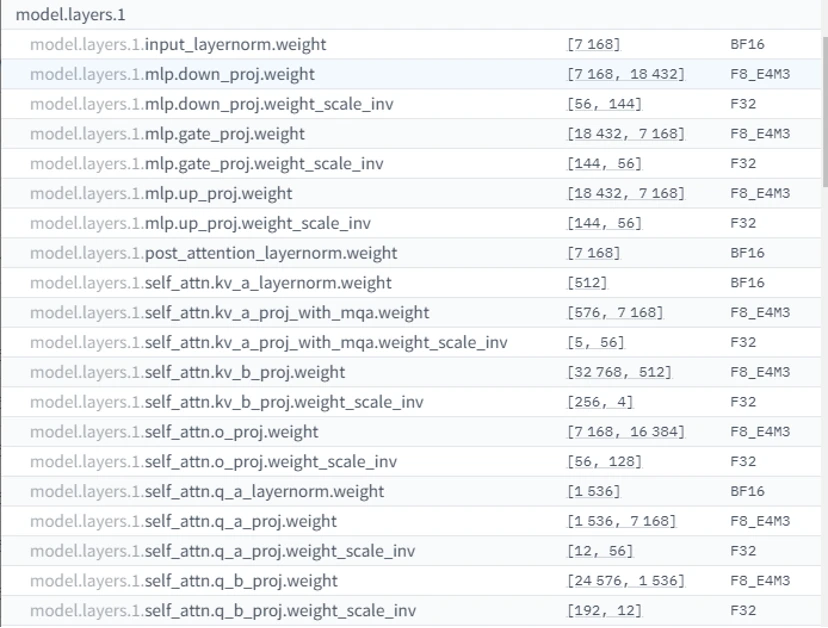
Similar weights or files provide more direct evidence of artifacts. Summary files can confirm byte-level consistency; local tensor similarity requires specifying alignment methods, quantization, format conversion, and comparison algorithms. Even if files are identical, the right to use them must be independently verified.
How to create reviewable provenance records
It is recommended to save the model release address, download time, submission number, and file summary. Clearly state the candidate upstream set and comparison methods, then record tool versions, parameters, and baseline library versions. The report should distinguish between observed facts, possible explanations, and matters that cannot be confirmed.
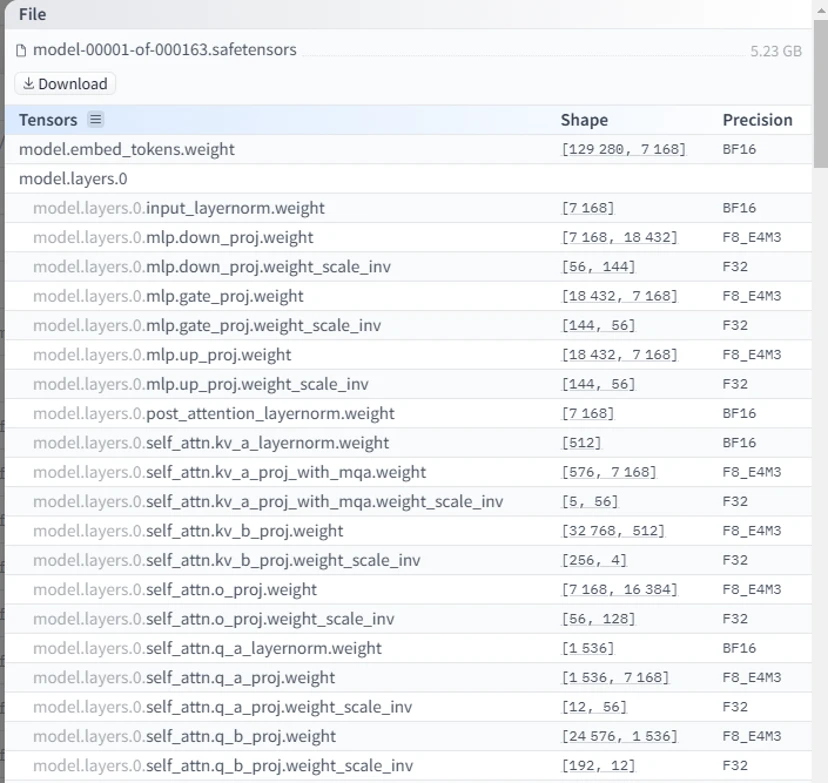
For instance, ‘find that some tensors are highly similar in versions A, B, and C’ is a technical description within a range; proving model replication by a vendor requires additional evidence. Conversely, 'no high-similarity samples found' only represents the results of the current scope and method.
Upstream repository information, model cards, training or conversion records, and license details should be reviewed alongside similarity results. Original research or publisher reports can provide public descriptions of model training and sources, but they do not equal judgments on all potential rights issues. DeepSeek-R1 Technical Report
Frequently asked questions
Can a similarity of 100% be used to make qualitative determinations? Confirm whether 100% refers to the entire file, a specific feature type, or sampled tensors. Even if bytes are consistent, source and authorization must still be verified.
Are license reviews unnecessary if there are no high similarity results? No, they cannot be omitted. Similarity detection capabilities and their scope are limited; license usage restrictions still need to be independently recorded.
What is the most critical output for enterprises? A clear and traceable evidence record that returns to specific samples, sources, and methods, along with a well-defined risk assessment.