
When do GPL, LGPL and AGPL obligations apply? Start with how the software is used
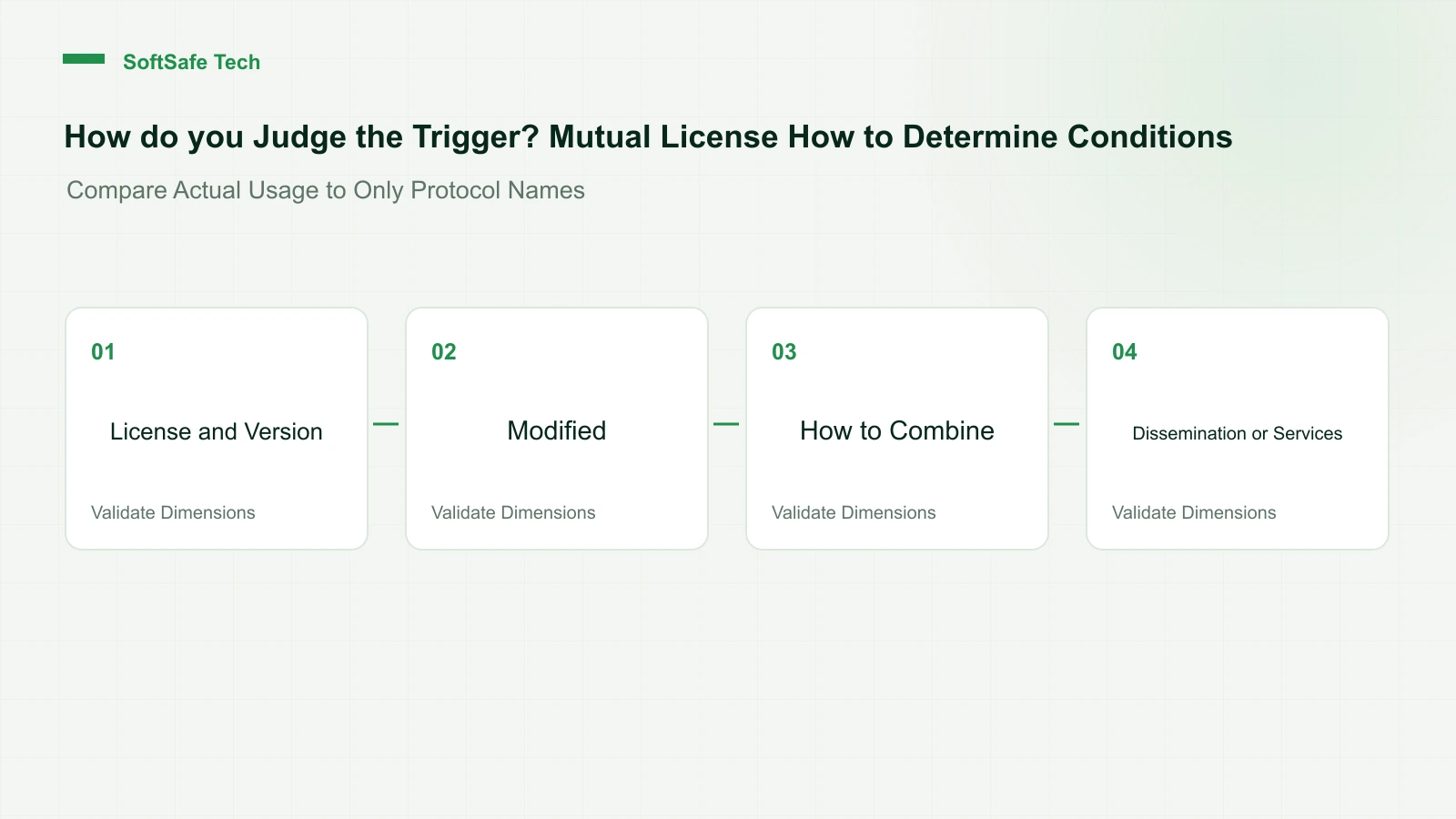
Copyleft is typically translated as mutual benefit or copyleft. Its role should be understood in conjunction with the license text and actual usage behavior. Simply relying on scan results for GPL, LGPL, or AGPL does not indicate that all code must be disclosed; ignoring these licenses may also result in missing obligations at delivery.
Start with four questions
What version do you have? Is it allowed to use subsequent versions? Have you copied or modified the licensed code? How are you combining it with your own program? Who will you distribute copies to, or how will you provide network interactions? These facts should be recorded in development records and used for license judgments.
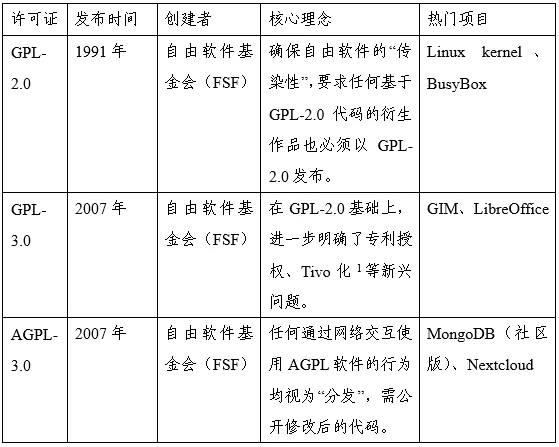
The three licence families require different checks
| Type | What should be prioritized checked | | --- | --- | | GPLv2/GPLv3 | Declarations, licenses, and corresponding source code made when distributing or propagating the licensed work; differences between the scope of group works and independent aggregations | | LGPL | Whether the library has been modified, and whether it meets the conditions for materials, replacements, or re-linking specified in the corresponding version when the application is distributed together with the library | | AGPLv3 | In addition to checking the propagation obligation, also check the requirement for providing corresponding source code when the modified program interacts with users over a remote network |
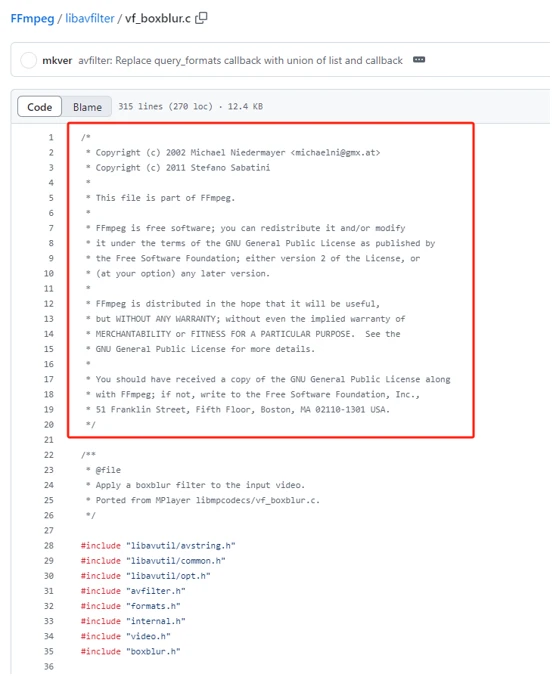
The GPL does not prohibit commercial use merely because a programme is sold. Who must receive source code, how it must be provided and which materials are required depend on the actual distribution path. The rule cannot be reduced to “every internal modification must immediately be uploaded to a public repository”. See the GPLv2 licence text and GPLv3 licence text.
Under the LGPL v2.1, there are specific conditions for static linking and shared library mechanisms; simply using dynamic linking does not mean zero obligations. The AGPLv3 Section 13 cannot be simplified to any condition that all system source code must be publicly disclosed without restriction when a server runs. LGPL v2.1 and AGPLv3 Section 13
Do not group different rules under one label
The SSPL, while openly releasing the source code and setting mutual benefit requirements, OSI clearly states that it is not an approved open-source license. During the review process, it should be identified separately and cannot be treated under the same rules simply because of its similarity to AGPL in name or form. OSI Explanation.
Apply the licence assessment to the release package
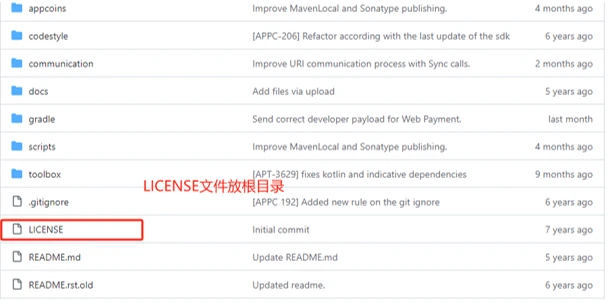
It is recommended that the components version, document-level licences, scope of modifications, links and communications, source code availability and authentication records be archived. Declarations, source codes and reconstruction materials need to be responsive to actual delivery versions and cannot be linked only to the current upstream branch.
When do GPL, LGPL and AGPL obligations apply? Start with how the software is used. Differentiate between whether third-party licenses are fulfilled, whether proprietary code has originality, and which rights are being asserted in a dispute. A violation of one license does not automatically imply that all copyright for proprietary code disappears. Projects need to preserve factual evidence before reviewing specific issues.