
Lessons from the 2025 Google Cloud outage: contain change as well as abnormal input
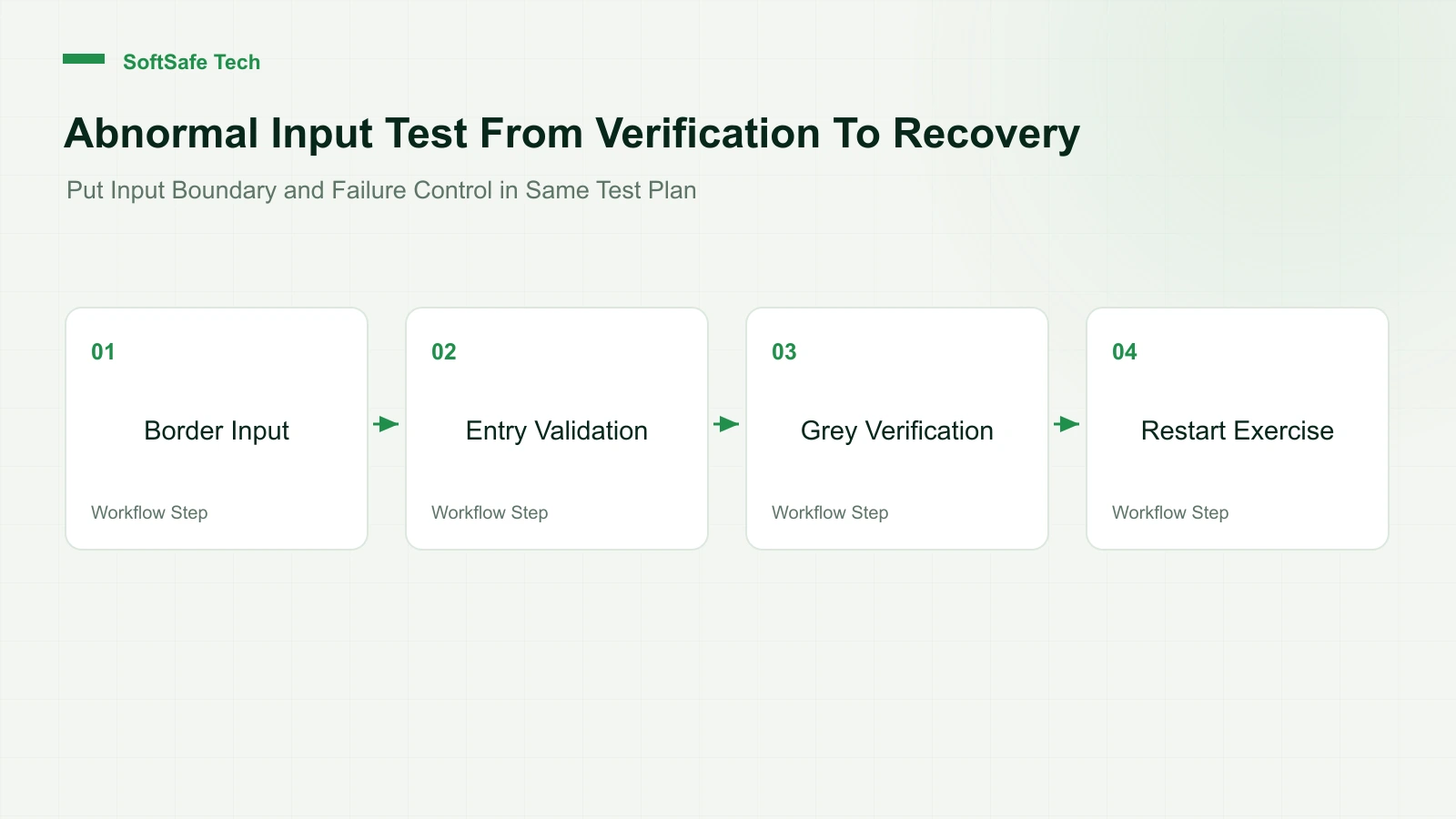
The Google Cloud incident in June 2025 was triggered by an unexpected empty field in a strategy update that was written to the Service Control data table, which then replicated globally. The review identified issues with input validation and fuzz testing as key factors. Additionally, it highlighted improvements such as gradual releases, global data propagation, static analysis, and random index fallback.
What the official report confirmed
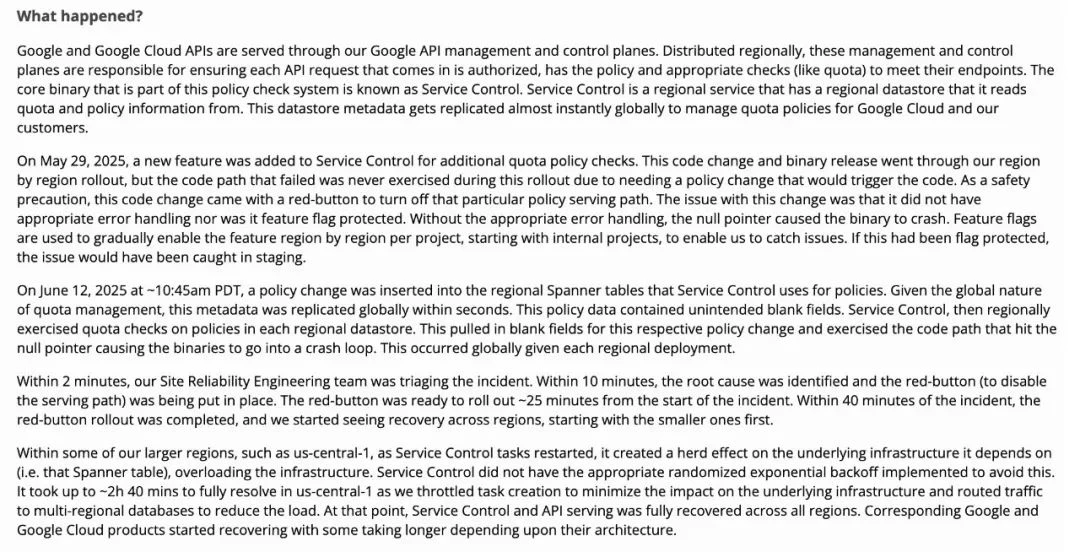
Google's review noted that on June 12, an unexpected empty field in a strategy update was written to the Service Control data table and quickly replicated globally. The review identified issues with input validation and fuzz testing as key factors. It also highlighted improvements such as gradual releases, global data propagation, static analysis, and random index fallback.
The incident cannot be simply summarized as a 'null value' or lack of fuzz testing. Unexpected empty fields are the trigger condition, while defects in code are the direct mechanism. The spread and recovery pressure at scale represent systemic issues.
Turn abnormal inputs into verifiable scenarios
For configuration parsing and strategy checks, four categories of scenarios can be established for testing: missing mandatory fields; empty, zero, or out-of-range values; field types and combinations that do not conform to constraints; inconsistent interpretations between old and new versions.
These inputs must truly reach the tested logic. If early tests discard malformed data, coverage might stop at shallow validation; if bypassing all real constraints, it may only trigger unreachable paths in production. Test design should specify entry points, preconditions, and expected behaviors.
How fuzz testing complements fixed test cases
Coverage-Guided Fuzz Testing Expands on Existing Inputs by Exploring More Paths Through Executed Code Regions. It's Suitable for Supplementing Hand-Written Boundary Cases but Is Limited by Test Entry Points, Seed Data, Running States, and Observational Methods LLVM libFuzzer
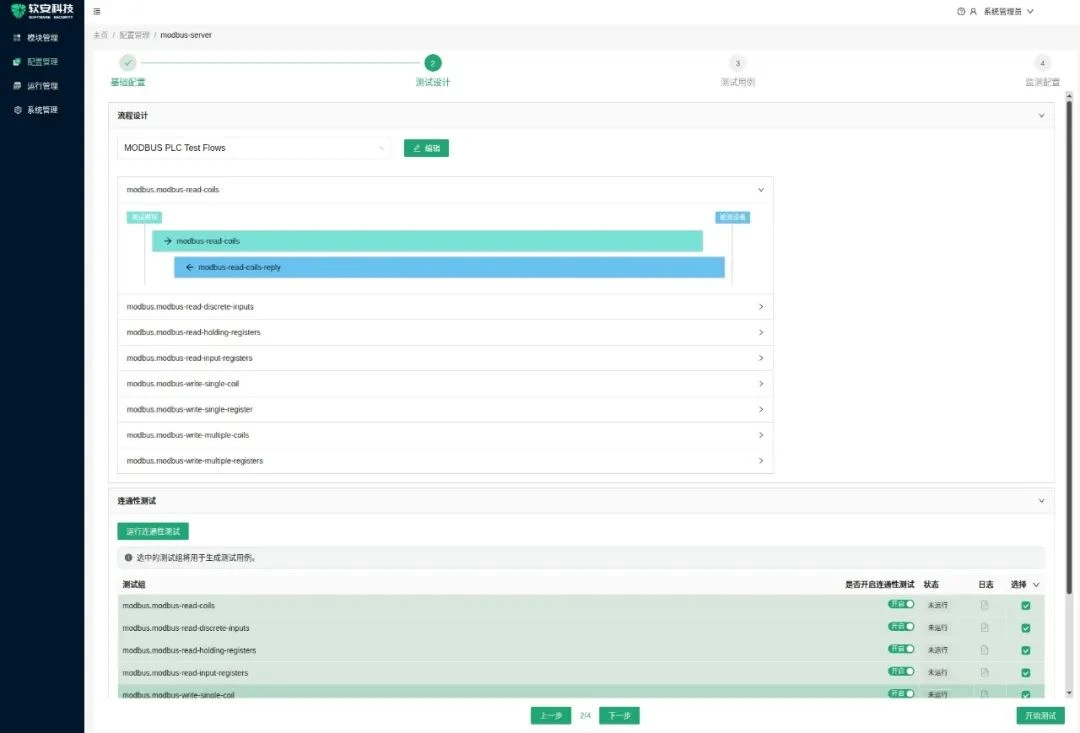
A practical approach is to save normal and abnormal configuration samples, integrate parsing and execution logic, monitor crashes, timeouts, resource usage, and business assertions. For discovered issues, reduce inputs, preserve environments and versions, fix them, and add them back to the regression set.
Include release and recovery in acceptance testing
Engineering checks derived from incidents suggest: validate configurations in a small scope, retain independent ways to disable new features, ensure rollbacks don't rely on invalid control planes; simultaneously simulate throttling and fallbacks during large-scale instance reconnections, and make necessary alert channels independent.
Can Fuzz Testing Prove a System Will Not Crash? No. It provides evidence within the tested scope but cannot exhaust all inputs, states, or distributed interactions.
fuzz testing can prove it won't crash? Can't. It provides evidence within the range tested and cannot exhaust all input, status and distribution interactions.
Is a Single Exception Worth Keeping for Long-Term Use Cases? Yes, reproducible inputs and expected outcomes are direct evidence to prevent the recurrence of similar defects.