
Static analysis finds an open-source defect: fix, upgrade or defer?
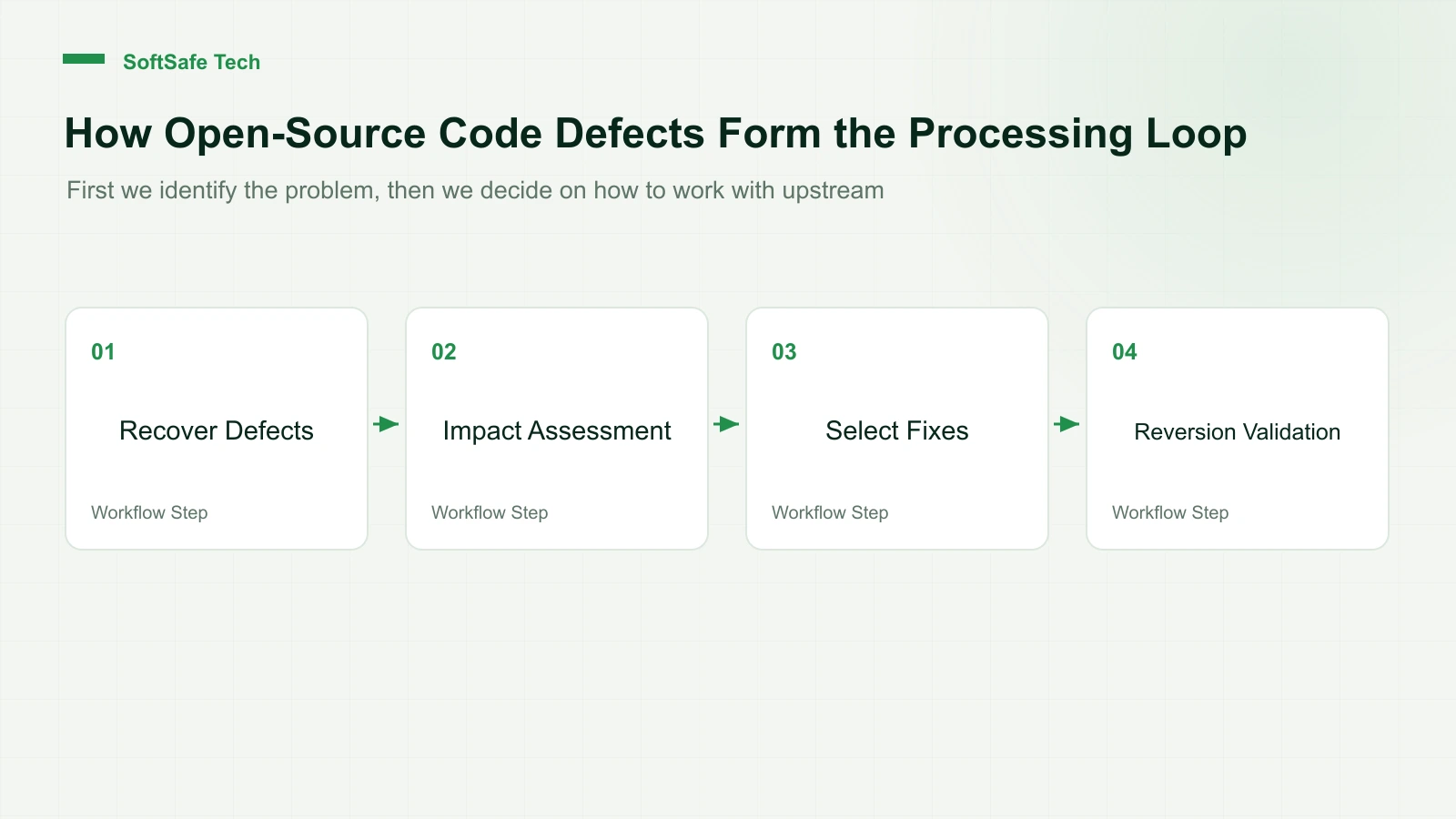
After static analysis reveals open-source code defects, decisions should be made based on actual impact rather than dismissing them due to ‘not in-house code.’ Open-source components can affect product quality upon delivery; users need to assess and collaborate with upstream or suppliers.
Step one: turn alerts into reviewable issues
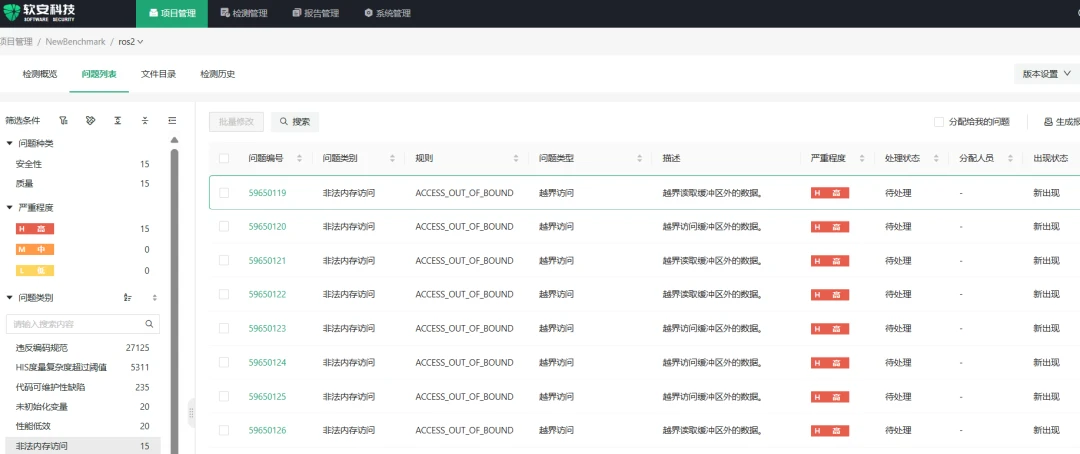
Record the component name, exact version, source code commit, build configuration, and alert path. Verify if the issue occurred in actual implementations, checking macros, platform conditions, external library models, and preconditions.
True build information helps to reconstruct the effective branch. Clang’s compilation database specification states that a single source file can correspond to different build configurations; therefore, judgments in one configuration cannot be automatically applied across all products. Clang Compilation Database
When necessary, reduce the code or prepare a minimal reproducible example to verify trigger conditions. The absence of reproduction does not necessarily mean an incorrect alert; however, reports should clearly state current evidence, analysis inferences, and missing information.
![[Static Analysis Reveals Open-Source Code Defects: Should We Fix, Upgrade, or Delay?]](/content-assets/articles/7774227/original-01.webp)
Step two: prioritise by actual use
Evaluate the Reachability of Defect Paths, External Control of Inputs, Impact Scope, and Existing Protective Measures. A problem located in a different function might require a different response time compared to one involving external inputs.
Differentiate between false positives, current conditions that are not reachable, already fixed upstream, or genuine issues requiring immediate attention. Avoid lumping them all under 'ignore' and refrain from hiding all alerts for a component indefinitely based on a directory.
Step three: choose a maintainable response
If an upstream fix is available, prioritize evaluating the upgrade to a supported version of your current product and conducting compatibility tests. If direct upgrades are not possible, assess whether backporting patches is feasible, noting the source of the patch, any modifications made, and subsequent maintenance responsibilities.
If only temporary measures such as disabling features, limiting inputs, or isolating access are available, clearly define the conditions covered by these mitigation strategies and assign responsible parties with deadlines for review.
Step four: work upstream and complete regression testing
Generally, issues can be reported according to project contribution rules; suspected security vulnerabilities should first check the `SECURITY.md` file or the private reporting channels of the maintainer. GitHub offers a private vulnerability reporting mechanism that can be used when supporting a project, avoiding the public disclosure of sensitive exploit details. GitHub Private Reporting Guide
Ensure your report includes version information, environment details, paths, expected and actual behaviors, and the minimum reproducible steps. Continue tracking the patch submission and release versions, and retain test cases in your own regression set. Receiving a report from upstream does not mean it is fixed; applying a patch does not imply all deployments have been updated.
How to modify third-party code without permissions? You can still perform impact assessments, contact the supplier, and take proven temporary mitigation measures.
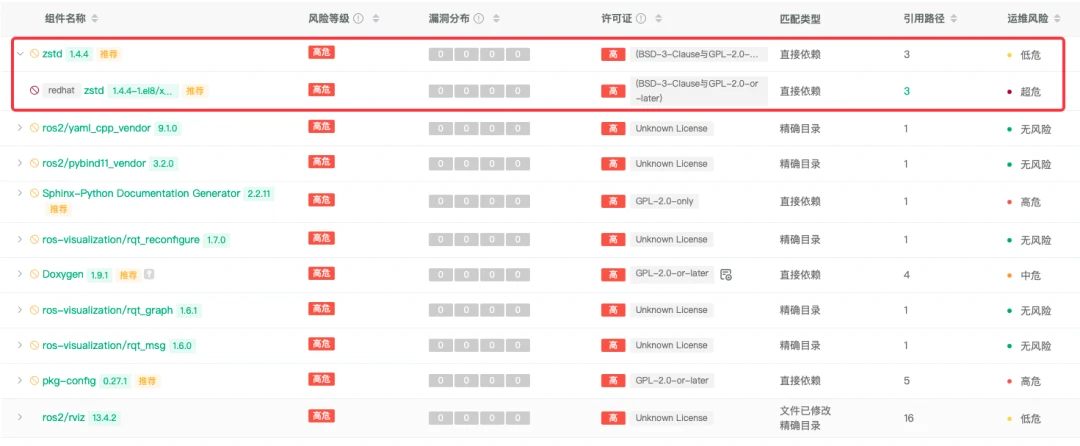
How to reduce noise in CI pipelines? You can set up evidence-based, scope-defined, and conditionally disabled suppression rules while maintaining baseline components and risk lists. This will trigger re-evaluation when version changes occur.